
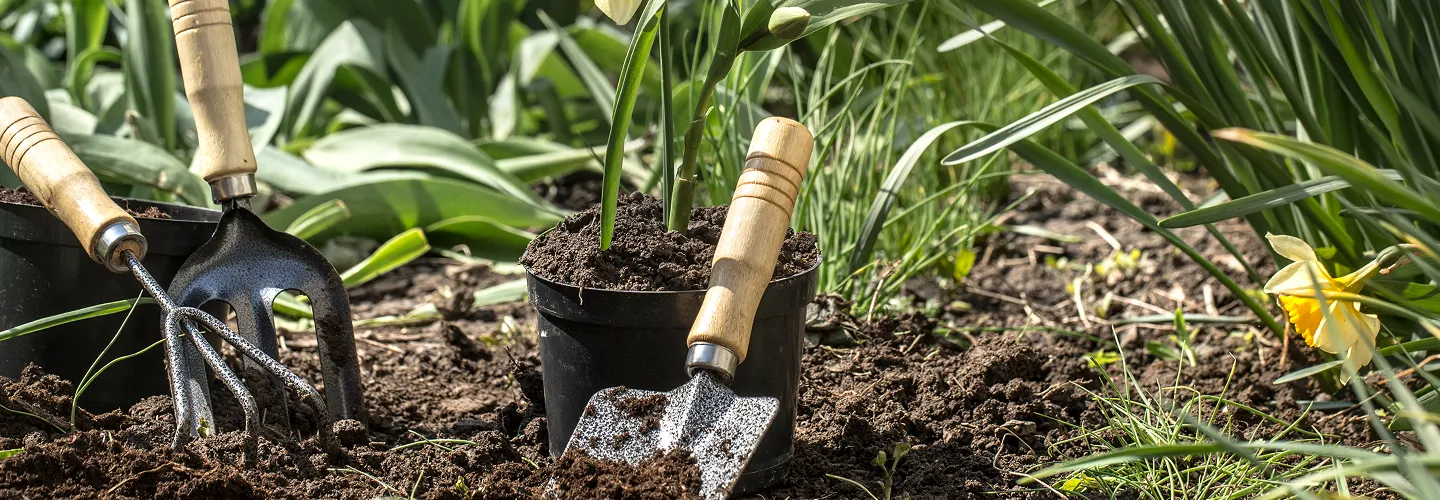
Warrenton Lawn Renovation Services
Choose our Lawn Renovation services for a lush, healthy yard—our experienced team uses proven techniques and premium materials to restore your lawn’s beauty and resilience, ensuring long-lasting results you’ll love.
Get a Free QuoteOur Warrenton Landscaping & Yard Care Services
When to Schedule Lawn Renovation in Warrenton, Georgia – Seasonal Guide
In Warrenton, Georgia, timing your lawn renovation is crucial for achieving a lush, healthy yard that thrives year-round. The best periods for renovation typically fall in early spring and early fall, when temperatures are moderate and rainfall is more predictable. These windows allow new grass seed or sod to establish roots before the intense summer heat or winter frost sets in. Warrenton’s climate, characterized by humid summers and mild winters, means that soil moisture and temperature play a significant role in the success of your renovation efforts.
Local factors such as the proximity to the Ogeechee River, the shade provided by mature oaks in neighborhoods like Camak Road, and the sandy-loam soils common in the area all influence the ideal renovation schedule. Homeowners should also be mindful of the region’s average last frost date in early April and the potential for late-summer droughts. For more detailed local climate data, you can consult resources like the Sudbury municipal website.
Local Factors to Consider for Lawn Renovation in Warrenton
- Tree density and shade coverage, especially in established neighborhoods
- Soil type and drainage, with sandy-loam soils requiring different care than clay
- Seasonal precipitation patterns and risk of drought
- Terrain variations, such as slopes or low-lying areas prone to pooling
- Municipal restrictions or watering schedules
- Proximity to local landmarks or water sources that may affect microclimates
Benefits of Lawn Renovation in Warrenton

Expert Local Landscaping Team
Customized Lawn Renovation Plans
Eco-Friendly Lawn Solutions
Improved Curb Appeal
Enhanced Lawn Health
Timely and Reliable Service
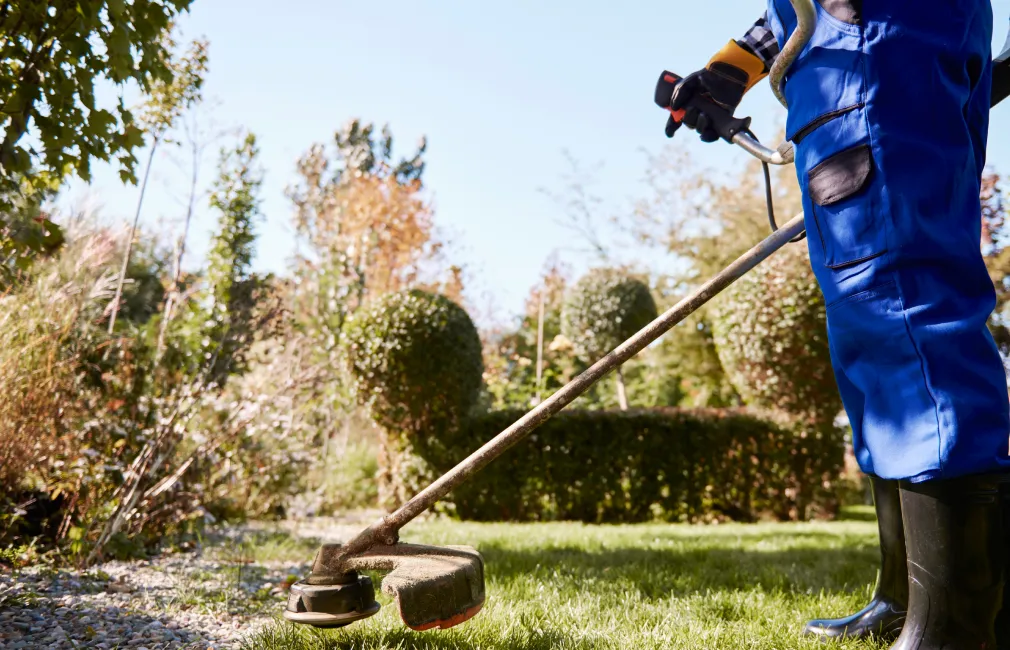
Warrenton Lawn Renovation Types

Aeration and Overseeding
-
Sod Installation
-
Topdressing
-
Soil Amendment
-
Weed and Pest Control
-
Dethatching
-
Complete Lawn Replacement
Our Lawn Renovation Process
Site Evaluation
Soil Preparation
Seeding or Sodding
Watering and Fertilization
Ongoing Maintenance
Why Choose Warrenton Landscape Services
-
Warrenton Homeowners Trust Us
-
Expert Lawn Maintenance
-
Competitive Pricing
-
Professional Team
-
Satisfaction Guarantee
-
Personalized Service
-
Reliable Scheduling
Warrenton's Piedmont-Edge Soils and Their Impact on Lawn Renovation Success
Warrenton sits in Georgia's upper Coastal Plain near the Piedmont transition zone, placing it within USDA Hardiness Zone 8a. The predominant soils in Warren County—including the Cecil, Madison, and Toccoa series—tend toward sandy loam and sandy clay loam with moderately acidic pH levels typically ranging from 5.0 to 6.2. These conditions directly affect lawn renovation outcomes in several ways:
- Compaction: Older residential lots with clay subsoils resist water infiltration, requiring core aeration before overseeding or sodding.
- Nutrient retention: Sandy upper horizons leach nitrogen and potassium quickly, demanding split fertilizer applications rather than single heavy doses.
- Drainage variability: Low-lying areas near Warrenton's creeks and drainage ditches may hold moisture, favoring fungal pressure on newly established turf.
Property owners should obtain a soil test through the UGA Cooperative Extension Warren County office before beginning any renovation. Soil test results guide lime application rates—often 30 to 50 pounds per 1,000 square feet for Warrenton's acidic soils—and identify phosphorus or potassium deficiencies that must be corrected prior to seeding or sprigging. The USDA Web Soil Survey provides parcel-level soil mapping for site-specific planning.
Optimal Turf Selection and Seeding Windows for Warrenton's Long Growing Season
Warrenton's warm, humid summers and mild winters support warm-season turfgrasses almost exclusively. When renovating a lawn, turf species selection should match the site's sun exposure, traffic level, and irrigation capacity. Recommended options include:
- Bermudagrass (common or hybrid): Best for full-sun lots; tolerates heat and moderate drought; mow at 1–2 inches.
- Centipedegrass: Low-maintenance choice for acidic, low-fertility soils common in Warrenton; requires less nitrogen than bermudagrass.
- Zoysiagrass: Suitable for partial shade and moderate traffic; slower to establish but dense once mature.
- Tall fescue (limited use): Only appropriate for heavily shaded areas; requires irrigation during Warrenton's July–August heat.
The UGA Cooperative Extension recommends seeding or sprigging warm-season grasses between late April and mid-June, when soil temperatures at a 4-inch depth consistently exceed 65°F. Sod installation extends through early September. Avoid renovation work during Warrenton's typical dry spells in late summer unless supplemental irrigation from the municipal water system is available. Confirm current watering allowances with Warrenton Water and Sewer before scheduling irrigation-dependent renovation projects.
Warrenton Water and Sewer
76 Main Street, Warrenton, GA 30828
Phone: (706) 465-2254
Official Website: Warrenton Water and Sewer
How Warrenton's Stormwater Drainage and Creek Corridors Affect Renovation Practices
Lawn renovation activities—particularly grading, tilling, and soil amendment—can generate sediment and nutrient runoff that threatens Warrenton's local waterways. The city's drainage infrastructure channels stormwater into tributaries of the Ogeechee River watershed, which falls under the jurisdiction of the Georgia EPD Watershed Protection Branch. Property owners and contractors must take precautions to prevent soil erosion and chemical discharge during renovation work:
- Silt barriers: Install silt fencing or straw wattles along downslope edges of renovation sites, especially on properties adjacent to drainage ditches or creek corridors.
- Fertilizer setbacks: Apply no fertilizer within 25 feet of any stream, ditch, or stormwater inlet. Use slow-release nitrogen formulations to reduce leaching risk.
- Bare soil exposure: Limit the duration that soil remains exposed. Seed or sod within 48 hours of grading to minimize erosion during Warrenton's frequent spring and summer thunderstorms.
- Pesticide compliance: Any herbicide application for weed suppression prior to reseeding must be performed by an applicator licensed under the Georgia Pesticide Use and Application Act of 1976.
Warrenton Streets and Sanitation coordinates drainage maintenance and can advise on stormwater infrastructure locations near renovation sites.
Warrenton Streets and Sanitation
76 Main Street, Warrenton, GA 30828
Phone: (706) 465-2254
Official Website: Warrenton Streets and Sanitation
Navigating Warrenton's Planning, Zoning, and Property Standards for Lawn Renovation Projects
While routine overseeding and fertilization typically do not require municipal permits, larger-scale lawn renovation projects in Warrenton may trigger review under the city's planning and zoning framework. Property owners should be aware of the following considerations:
- Grading and fill: Projects involving significant regrading, topsoil importation, or changes to lot drainage patterns may require coordination with Warrenton Planning and Zoning to ensure compliance with setback and stormwater requirements.
- Property line buffers: Renovation work near property boundaries should respect any recorded easements, particularly utility or drainage easements that restrict grading or planting.
- Nuisance vegetation: The Warrenton Code of Ordinances addresses property maintenance standards, including overgrown vegetation. Lawn renovation that addresses code violations should be documented for compliance purposes.
- Frontage and right-of-way: Turf installation within the public right-of-way along city streets requires coordination with the city to avoid conflicts with utility access or future road maintenance.
Contact Warrenton Planning and Zoning before beginning any renovation that alters lot grading, drainage flow, or land cover within setback areas.
Warrenton Planning and Zoning
76 Main Street, Warrenton, GA 30828
Phone: (706) 465-2254
Official Website: Warrenton Planning and Zoning
Debris Removal and Green Waste Disposal During Warrenton Lawn Renovation
Lawn renovation generates substantial volumes of organic debris, including removed sod, dead turf, thatch, and woody material from site preparation. Proper disposal is essential to maintain compliance with municipal sanitation standards and protect Warrenton's drainage infrastructure. Residents and contractors should follow these guidelines:
- Sod and thatch: Removed turf material should not be deposited in drainage ditches, stormwater channels, or along creek banks. Bag or pile debris for collection or transport to an approved disposal site.
- Brush and woody material: If renovation involves clearing woody growth or overgrown shrubs before reseeding, bundle brush in manageable lengths and coordinate pickup through Warrenton Streets and Sanitation. Verify current collection schedules and bundling requirements directly with the department.
- Soil and fill material: Excess soil from grading should not be placed in the public right-of-way or near storm drains. Arrange for off-site hauling if volumes exceed what the property can absorb.
- Herbicide containers: Dispose of empty pesticide and herbicide containers according to label instructions and Georgia Department of Agriculture guidelines. Do not place chemical containers in standard yard waste collection.
Warren County residents may also contact Warren County Development for information on county-level disposal resources and land-clearing guidance for properties at the city-county boundary.
What Neighborhoods Do We Serve Throughout Warrenton, GA?
- Downtown Warrenton / Main Street Corridor: Older residential lots with mature hardwoods, compacted clay subsoils, and established turf that often requires full renovation due to shade encroachment and root competition. Properties here may fall within areas subject to municipal property maintenance standards.
- North Warrenton (Highway 16 Corridor): Mixed residential and transitional lots with sandy loam soils and moderate drainage. Lawn renovation in this area benefits from centipedegrass or bermudagrass suited to full-sun exposure and lower fertility soils.
- South Warrenton / Academy Street Area: Established neighborhood with medium-sized lots, some creek-adjacent parcels, and variable drainage. Erosion control and silt management are important during renovation near low-lying sections.
- West Warrenton / Cemetery Road Vicinity: Larger lots with open terrain and sandy clay loam soils. These properties are well-suited for sod installation and benefit from core aeration to address compaction from older development.
- East Warrenton / Norwood Highway Area: Properties near the city limits with transitional rural-residential character, often featuring wooded edges and partial shade. Zoysiagrass or shade-tolerant turf blends are appropriate for renovation in these settings.
- Warrenton Parks and Recreation Areas: Municipal green spaces managed by Warrenton Parks and Recreation serve as reference points for turf performance in local soil and climate conditions. Residents can observe established warm-season turf varieties in these public areas when selecting species for their own renovation projects.