
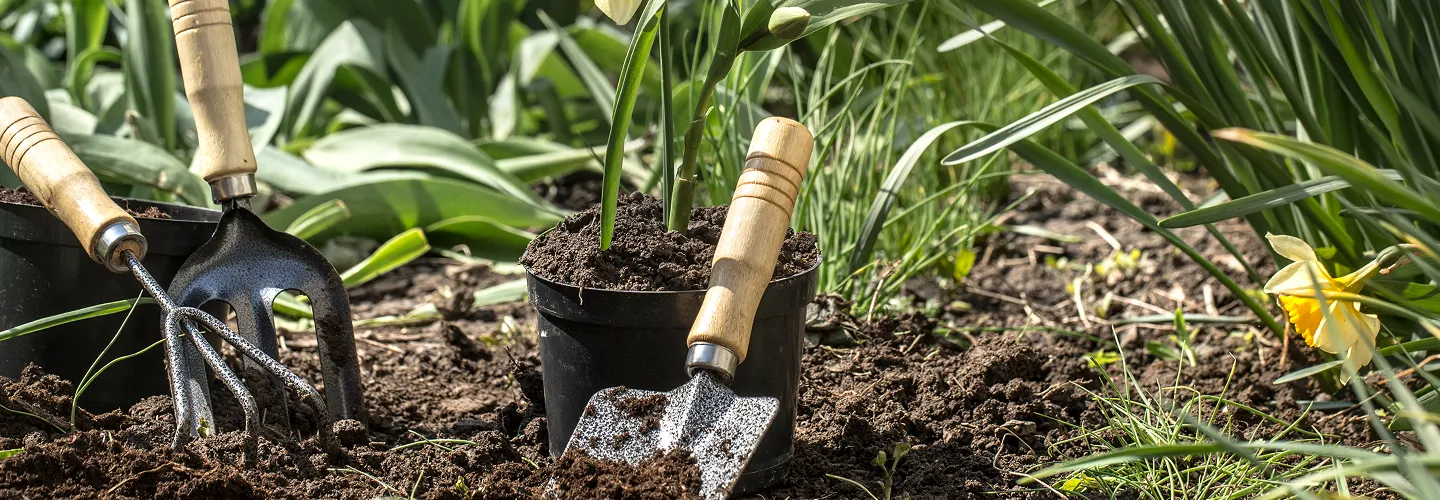
Warrenton Plant Removal Services
Choose our plant removal services for safe, thorough, and eco-friendly solutions that restore your landscape’s beauty while saving you time and effort.
Get a Free QuoteOur Warrenton Landscaping & Yard Care Services
When to Schedule Plant Removal in Warrenton, Georgia – Seasonal Guide
In Warrenton, Georgia, the timing of plant removal is best determined by our region’s unique climate and landscape features. The optimal periods are typically late winter through early spring, just after the last frost date and before new growth begins. This window allows for easier removal, minimizes stress on surrounding vegetation, and prepares your property for the growing season. Neighborhoods near Johnson Park and the historic downtown area often experience varying microclimates, so it’s important to consider local conditions such as humidity and shade coverage from mature trees.
Warrenton’s soil composition, ranging from sandy loam to heavier clay, can impact root removal and equipment needs. Additionally, periods of high humidity and summer drought risk—common in areas like the Ridge Road corridor—should be factored into your scheduling. Always check for municipal guidelines or seasonal restrictions, which can be found on resources like the Town of Sudbury’s website, to ensure compliance with local regulations.
Local Factors to Consider for Plant Removal in Warrenton
- Tree density and proximity to structures
- Terrain slope and soil type (sandy loam vs. clay)
- Average precipitation and risk of summer drought
- Frost dates and seasonal temperature shifts
- Shade coverage from mature trees
- Municipal restrictions or permit requirements
- Proximity to local landmarks or protected areas
Benefits of Plant Removal in Warrenton
Expert Landscaping Team
Efficient Plant Removal
Eco-Friendly Disposal
Improved Curb Appeal
Customized Solutions
Competitive Pricing
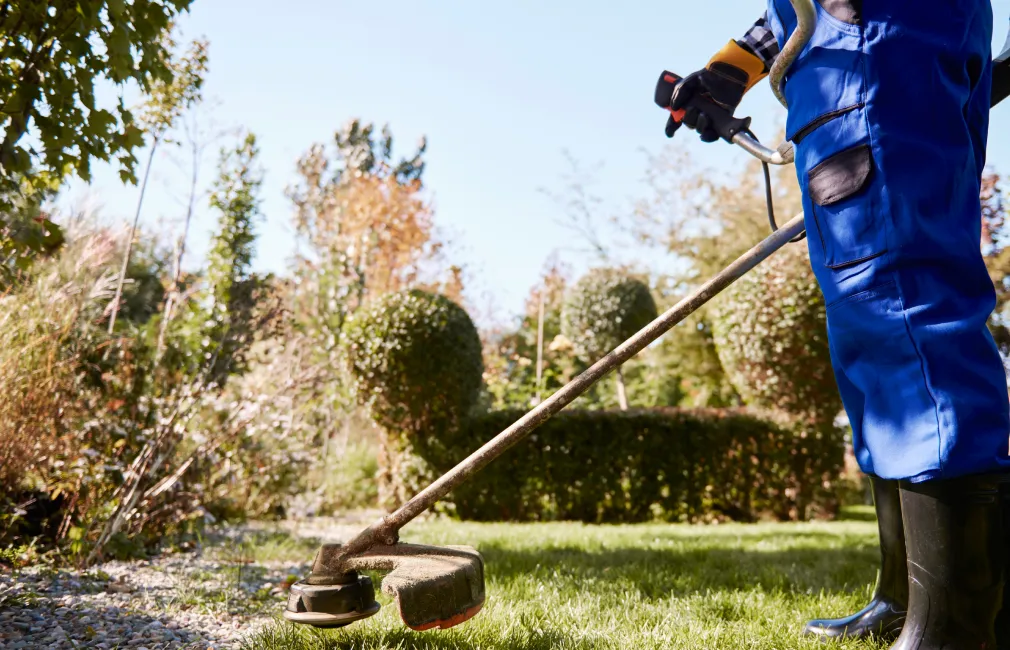
Warrenton Plant Removal Types

Tree Removal
-
Shrub Removal
-
Stump Grinding
-
Invasive Species Removal
-
Root System Extraction
-
Hedge Clearing
-
Overgrown Vegetation Clearing
Our Plant Removal Process
Site Evaluation
Preparation and Safety Measures
Plant Extraction
Debris Removal
Site Restoration
Why Choose Warrenton Landscape Services
-
Warrenton Homeowners Trust Us
-
Expert Lawn Maintenance
-
Competitive Pricing
-
Professional Team
-
Satisfaction Guarantee
-
Personalized Service
-
Reliable Scheduling
Identifying Invasive and Nuisance Plants Requiring Removal in Warrenton
Warrenton sits in Georgia's upper Piedmont region within USDA Hardiness Zone 8a, where the long growing season—typically March through early November—allows aggressive plant species to establish rapidly. The city's predominant soils, including the Cecil and Madison series, are well-drained sandy clay loams with acidic pH levels often ranging from 4.5 to 6.0, which favor certain invasive species over native vegetation. Property owners should be aware of common nuisance plants that warrant professional removal in the Warrenton area:
- Chinese privet (Ligustrum sinense): colonizes fence lines, drainage ditches, and woodland edges throughout Warren County
- Kudzu (Pueraria montana): overtakes vacant lots and wooded corridors, especially along roadsides and utility easements
- Japanese honeysuckle (Lonicera japonica): smothers native shrubs and ground cover in shaded areas
- Bradford pear (Pyrus callertiflora): spreads aggressively from ornamental plantings into open fields and rights-of-way
- English ivy (Hedera helix): damages trees and structures when left unmanaged
The UGA Cooperative Extension and UGA Extension - Invasive Species program provide identification guides and management recommendations specific to Georgia's Piedmont region. Residents uncertain about a plant's status should consult extension resources before initiating removal, as misidentification can lead to the destruction of beneficial native species.
Warrenton's Code of Ordinances and Property Standards for Overgrown Vegetation
The City of Warrenton enforces property maintenance standards through its Code of Ordinances, which addresses nuisance vegetation, overgrowth, and conditions that may affect public health, safety, or neighborhood appearance. Property owners and managers should understand that allowing invasive or dead plant material to accumulate on a lot may trigger code compliance action. Key considerations include:
- Overgrown vegetation encroaching on sidewalks, drainage ditches, or adjacent properties may constitute a nuisance under local ordinance
- Dead or hazardous plant material near structures or utility lines may require prompt removal
- Vacant lots with uncontrolled growth are subject to municipal review and potential enforcement
- Verify current thresholds and enforcement procedures directly with the city, as specific height limits and response timelines may be updated periodically
Property owners planning large-scale plant removal—particularly on lots near public rights-of-way or drainage infrastructure—should coordinate with Warrenton's Planning and Zoning office to confirm whether site review or land-disturbance considerations apply.
Warrenton Planning and Zoning
76 Main Street, Warrenton, GA 30828
Phone: (706) 465-2200
Official Website: Warrenton Planning and Zoning
Disposal of Plant Debris Through Warrenton Streets and Sanitation
Proper disposal of removed plant material is a critical step that Warrenton residents must coordinate with the city's Streets and Sanitation department. Improper dumping of vegetation debris—whether in drainage ditches, along roadsides, or on vacant parcels—can obstruct stormwater flow, attract pests, and violate local ordinances. When scheduling plant removal work, property owners should plan for debris handling in advance:
- Bundling and placement: Confirm current curbside collection requirements, including maximum bundle length, weight limits, and acceptable placement locations along the right-of-way
- Scheduling: Verify pickup days and any seasonal adjustments with Streets and Sanitation, as schedules may shift during storm cleanup periods or peak growing season
- Prohibited materials: Soil, root balls with excessive dirt, and chemically treated plant material may not be accepted through standard collection
- Large-volume removal: Projects generating significant debris—such as clearing privet thickets or removing mature shrub masses—may require coordination for special pickup or hauling to an approved disposal site
Burning plant debris within city limits is subject to local fire regulations and Georgia Environmental Protection Division (Georgia EPD) open burning rules. Contact the Warrenton Fire Department at (706) 465-2200 to verify whether open burning permits are available and what restrictions apply.
Warrenton Streets and Sanitation
76 Main Street, Warrenton, GA 30828
Phone: (706) 465-2200
Official Website: Warrenton Streets and Sanitation
Protecting Warrenton's Drainage Corridors and Streams During Plant Removal
Warrenton is situated within the Ogeechee River watershed, and several small creeks and drainage corridors run through and around the city. Plant removal activities near these water features require careful planning to prevent erosion, sedimentation, and degradation of water quality. The Georgia EPD Watershed Protection Branch oversees water quality standards that apply to land-disturbing activities statewide, and federal protections under the Clean Water Act may also apply near jurisdictional waters. Residents and contractors should observe the following precautions:
- Maintain vegetative buffers along creek banks and drainage channels; removing all vegetation to the water's edge accelerates bank erosion
- Stabilize exposed soil immediately after removing plants—use straw mulch, erosion blankets, or temporary seeding with a warm-season cover such as browntop millet
- Avoid operating heavy equipment on saturated soils near drainage corridors, as compaction and rutting channel runoff directly into waterways
- Do not push or deposit removed plant material into ditches, culverts, or stream channels
On Warrenton's Cecil and Madison clay-loam soils, exposed ground after plant removal is particularly vulnerable to washout during summer thunderstorms. Scheduling removal during drier periods—typically late September through November—reduces erosion risk. For projects disturbing more than one acre, a land-disturbance permit and erosion and sedimentation control plan may be required under Georgia's Erosion and Sedimentation Act. Confirm applicability with the Warren County Development office or Warrenton Planning and Zoning.
Seasonal Timing and Safe Methods for Plant Removal in Warrenton's Climate
Warrenton's warm, humid climate—with average summer highs near 93°F and annual rainfall around 46 inches—directly influences the timing and methods used for effective plant removal. The USDA Plant Hardiness Zone Map places Warrenton in Zone 8a, where the first fall frost typically arrives in mid-November and the last spring frost occurs in mid-March. These benchmarks shape the optimal removal calendar:
- Late fall through winter (November–February): Ideal for removing deciduous invasive species such as privet and Bradford pear, when reduced foliage improves visibility and root energy reserves are lowest
- Late summer (August–September): Effective for treating and removing kudzu and Japanese honeysuckle before they set seed, reducing regrowth pressure the following spring
- Avoid peak nesting season (April–July): Removal of dense shrub masses during this period may disturb nesting birds protected under the Migratory Bird Treaty Act
When herbicide application is part of the removal strategy—such as cut-stump treatment on privet or kudzu crown treatment—the applicator must hold a valid Georgia commercial pesticide license as required under the Georgia Pesticide Use and Application Act of 1976. The Georgia Department of Agriculture administers licensing and can verify an applicator's credentials. Safe methods on Warrenton's sloped Piedmont lots also require attention to equipment stability, particularly on wet clay soils where footing and traction are compromised.
What Neighborhoods Do We Serve Throughout Warrenton, GA?
- Downtown Warrenton / Main Street Corridor: Older residential and mixed-use lots with mature ornamental plantings, foundation shrubs, and fence-line privet that often require removal due to overgrowth or structural encroachment. Narrow lot lines and proximity to sidewalks demand careful debris management.
- North Warrenton Residential Area: Established neighborhoods with larger lots, mixed hardwood canopy, and common issues with honeysuckle and ivy climbing into tree crowns. Cecil clay-loam soils here drain moderately but compact easily under equipment.
- South Warrenton / Highway 16 Corridor: Properties along this corridor include both residential parcels and transitional lots where kudzu and privet colonize unmaintained edges. Proximity to roadside drainage ditches requires erosion precautions during removal.
- Warrenton Heights and Surrounding Subdivisions: Mid-century residential areas with aging ornamental shrubs—such as overgrown ligustrum and nandina—that frequently require full removal and site restoration.
- Rural-Edge Properties Within City Limits: Parcels along Warrenton's municipal boundary often border wooded areas and agricultural land, creating persistent pressure from invasive species migrating from adjacent unmanaged corridors. Larger debris volumes and limited curbside access may necessitate on-site chipping or hauling coordination with Warrenton Streets and Sanitation.